Before the Apocalypse
Before the zombie apocalypse became a pop culture phenomenon…
before the gore, the guts, and the gut-wrenching groans…
there was a film that started it all:
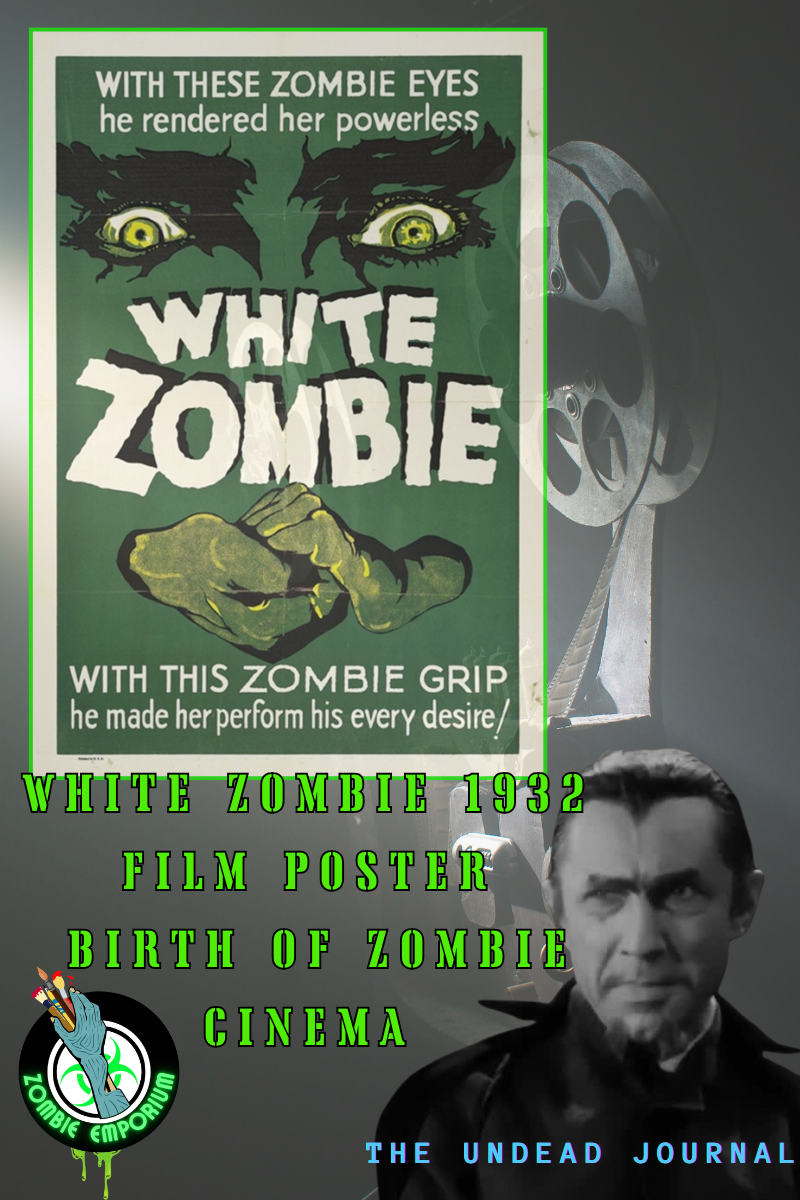
🎬 White Zombie (1932)
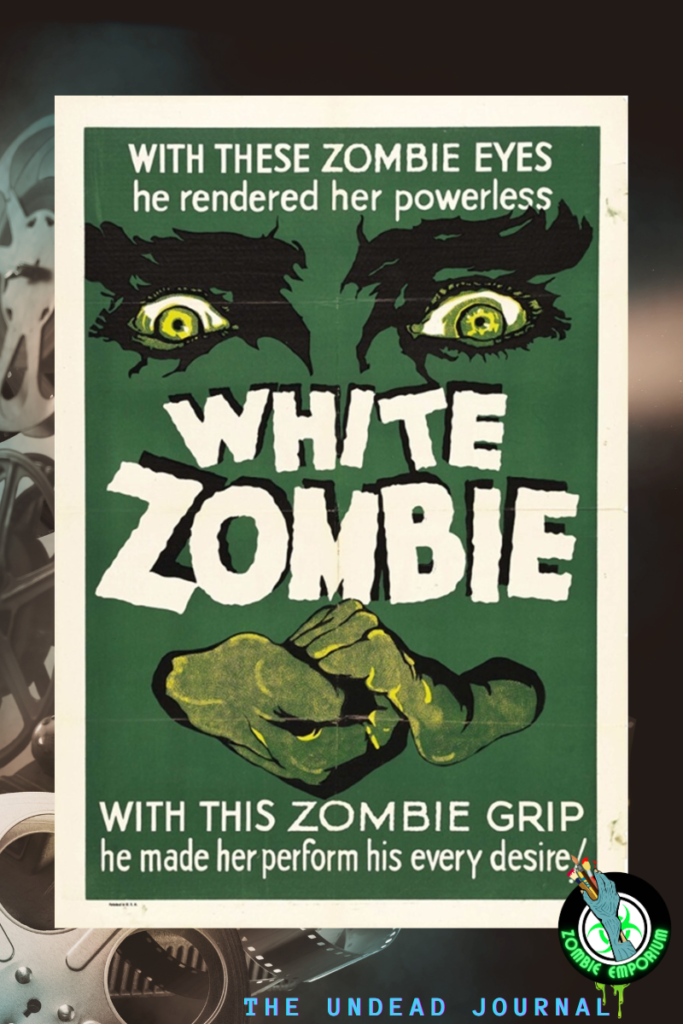
And yes, it’s every bit as eerie, dramatic, and beautifully bizarre as you’d hope the world’s first feature-length zombie film would be.
Released in 1932 and directed by Victor and Edward Halperin, White Zombie predates modern undead cinema by more than three decades. Long before flesh-eating hordes stormed shopping malls, zombies were something quieter — and perhaps more unsettling.
🎬 Enter the Original Undead
The film introduces us to Murder Legendre (played with hypnotic menace by Bela Lugosi), a white-suited sorcerer who commands a group of the undead in the mountains of Haiti.
But these aren’t your standard brain-craving corpses.
These zombies are born from Haitian Vodou, reanimated not by a virus, but by black magic and enslavement.
They move slowly.
They stare blankly.
They work endlessly in a sugar mill, stripped of free will.
It’s creepy.
It’s dated.
It’s culturally complicated.
And it’s cinematic history.
While today’s zombies are more likely to eat your face than harvest sugarcane, the groundwork of the genre was laid here, in fog-drenched graveyards, ritualistic ceremonies, and hollow-eyed stares.
White Zombie didn’t just create an aesthetic.
It defined the earliest blueprint of zombie cinema.
🧛♂️ Bela Lugosi and the Birth of Horror Royalty
You probably know Lugosi best for his iconic performance in Dracula.
But his role in White Zombie is pure horror atmosphere.
As Murder Legendre (yes… that name), Lugosi doesn’t scream or snarl. He commands with stillness. With a lifted eyebrow. With an extended hand.
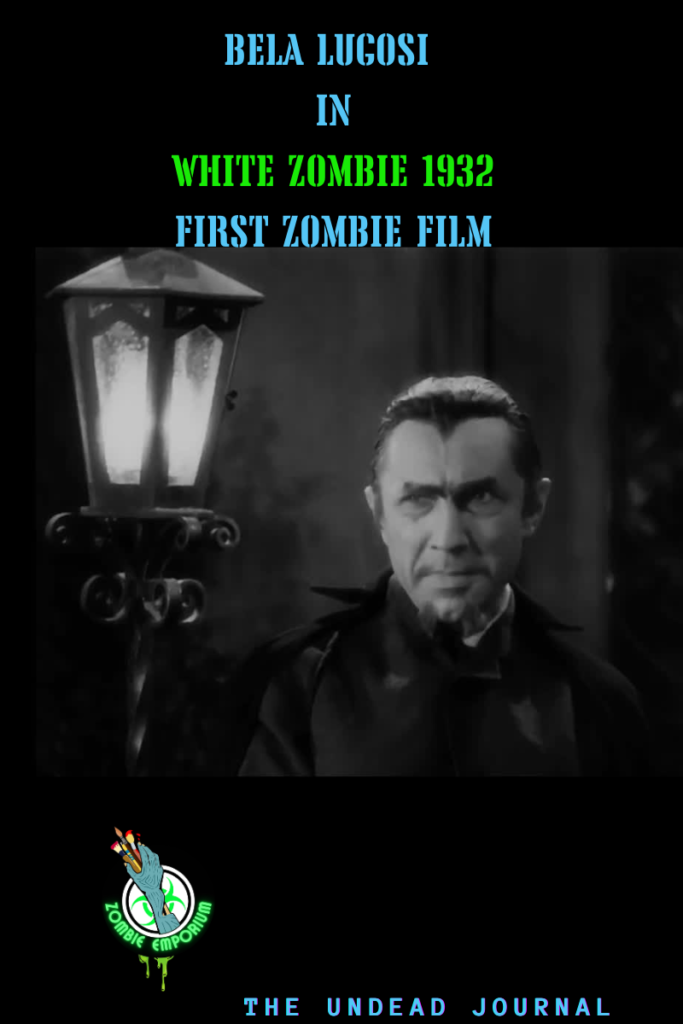
His performance suggests something important about early zombie horror:
Control is more terrifying than chaos.
Instead of mindless destruction, Legendre represents domination, a chilling theme that would echo throughout horror history.
🧟 Zombies Before the Flesh-Eating Frenzy
One of the most fascinating aspects of White Zombie is what it doesn’t include:
- No rotting flesh
- No infection outbreak
- No apocalypse
- No brain-munching hordes
Instead, these zombies reflect early 20th-century Western fears and misunderstandings about Haitian Vodou and colonial power structures. The portrayal is problematic through a modern lens exoticized and rooted in outsider perspective.
But it is also historically significant.
It introduced the zombie to American cinema as:
- A body without autonomy
- A person stripped of will
- A symbol of control and exploitation
Decades later, George A. Romero would reinvent the undead entirely with Night of the Living Dead, transforming zombies into flesh-eating, apocalyptic forces of social collapse.
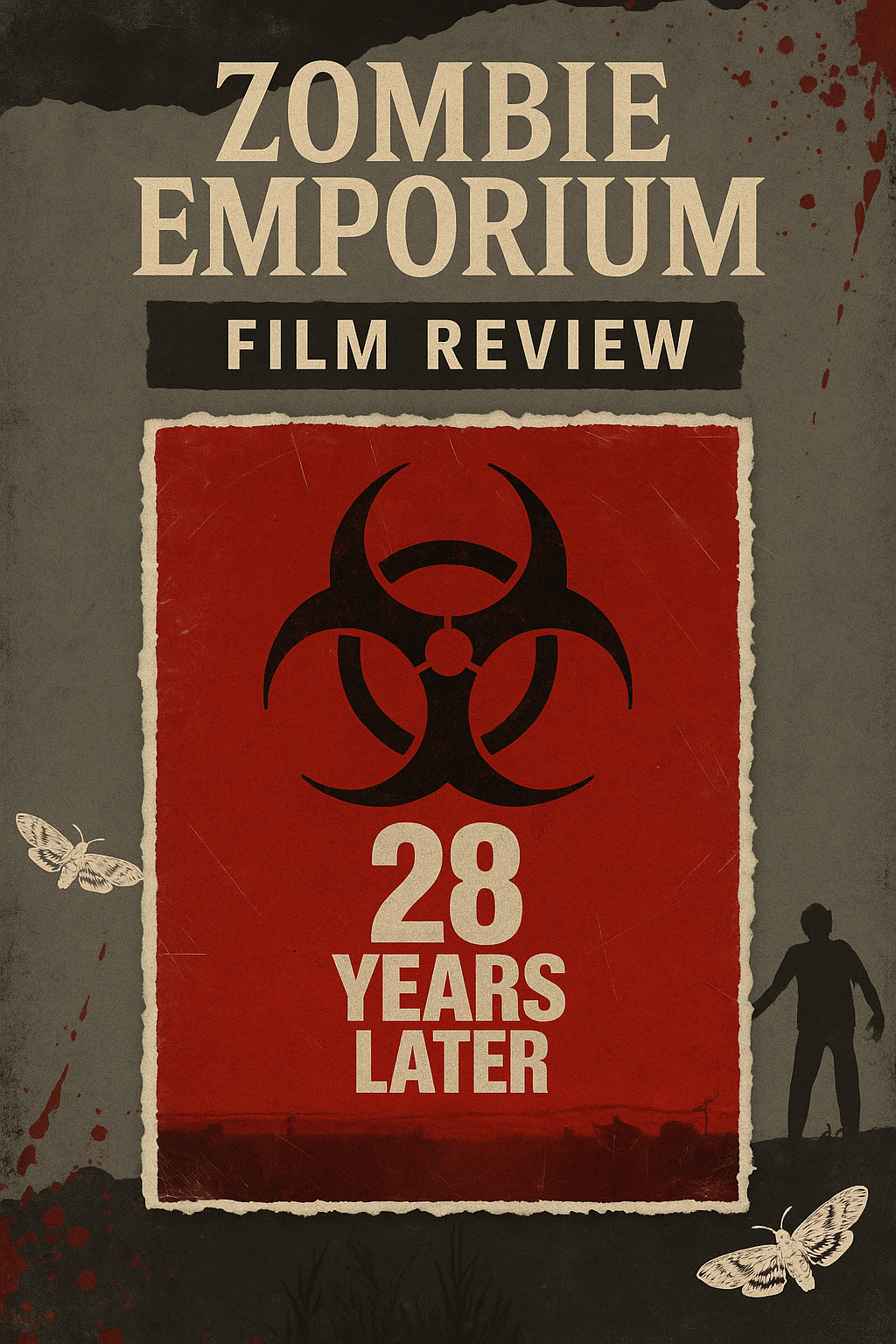
White Zombie (1932) introduced the undead to cinema, filmmakers would completely reinvent the genre. From the social collapse of Night of the Living Dead to the rage-driven reinvention seen in modern entries like 28 Years Later, zombie cinema continues to evolve. You can explore how that evolution unfolds in our breakdown of the 28 Years Later film here.
But Romero’s revolution only works because White Zombie existed first.
This is where the undead began.
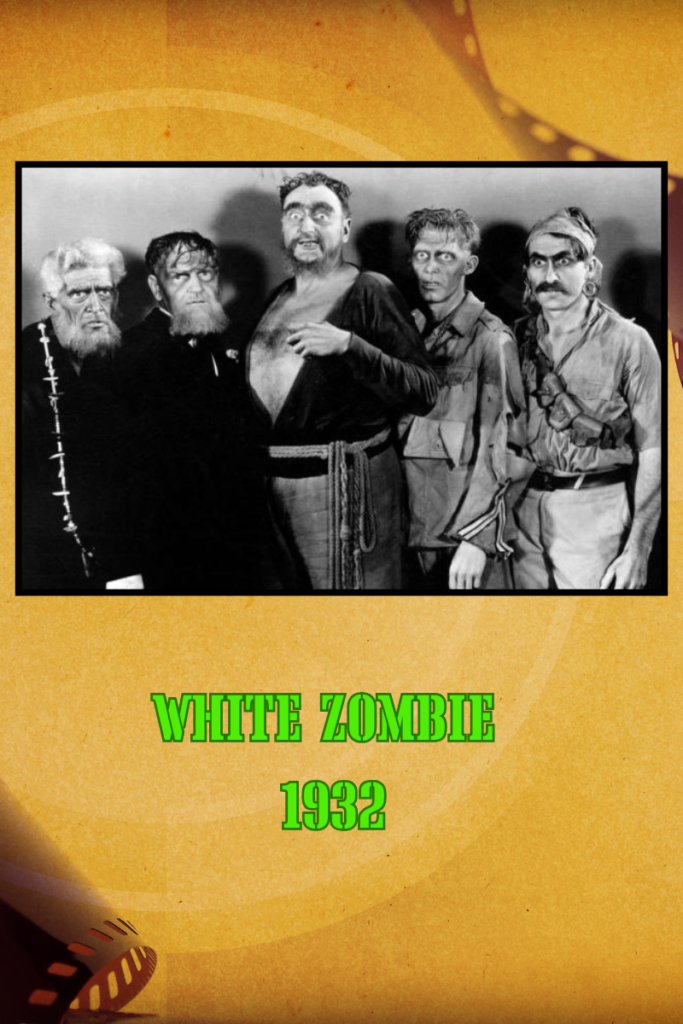
🧤 Film Legacy and Visual Aesthetic
Visually, White Zombie (1932) is stunning.
Heavy shadows.
Expressionist lighting.
Theatrical close-ups.
Haunting stillness.
Because the film is now in the public domain, its original posters and promotional stills are widely accessible, making it a treasure trove for horror art reinterpretation.
At Zombie Emporium, horror isn’t just entertainment.
It’s art history.
And White Zombie proves that from the very beginning.
Why White Zombie Still Matters Today
Because White Zombie (1932) the flick that kicked open the crypt.
Sure, it’s rough around the edges. But this film is the moldy root from which an entire genre has grown into one that’s evolved from ritualistic horror to ravenous apocalypse, and now to gothic-glam with glittering rot (just like our Beauties in Bloom).
We honor the past, even when it moans.
When we talk about zombie film evolution from classic slow walkers to rage-infected sprinters, we’re talking about a genre that constantly reinvents itself.
But its origin wasn’t gore.
It was atmosphere.
It was mysticism.
It was fear of losing control.
Understanding White Zombie (1932) deepens your appreciation of everything that came after — from Romero’s social commentary to modern emotional thrillers like Train to Busan.
The undead didn’t start with a bite.
They started with a stare.
Frequently Asked Questions About White Zombie (1932)
Was White Zombie really the first zombie movie?
Yes. Released in 1932, White Zombie is widely recognized as the first feature-length zombie film in cinema history.
Is White Zombie in the public domain?
Yes. The film is in the public domain, which is why its original posters and stills are widely available.
How is White Zombie different from modern zombie movies?
Unlike modern infection-based undead films, White Zombie portrays zombies as victims of Haitian Vodou, controlled through hypnotic enslavement rather than disease.
💀 Final Thoughts on White Zombie (1932) from the Grave
More than 90 years later, White Zombie (1932) remains essential viewing for anyone interested in the history of zombie cinema.
White Zombie is more than just an old horror film — it’s a cinematic séance. It’s the first whisper of the undead on screen, a haunting reminder that horror has always been with us… and always will be.
So next time you watch a zombie movie or crack open your favorite undead coloring book (ahem), remember where it all began — with a man named Murder and a soul-stealing stare.
Stay spooky, stay stylish, and keep your brains close.
🧠
— Zombie Emporium
For horror historians and collectors:
Here are a few ways to bring the origins of the undead home.
🧟 Add White Zombie (1932) to Your Horror Collection
If you’d like to experience the film that launched zombie cinema, there are several restored editions and collector versions available on Blu-ray and DVD.
Whether you’re building a classic horror shelf or researching the origins of the undead, owning White Zombie (1932) is like holding a piece of horror history in your hands.
👉 White Zombie (1932) Blu-ray Edition
Some editions include:
- Remastered transfers
- Commentary tracks
- Vintage horror featurettes
- Original theatrical poster art
Because the film is in the public domain, quality can vary — so look for restored or curated editions when possible.
If you’re building a foundational horror collection, a classic horror film box set is one of the best ways to experience the roots of the genre. Many collections include early Universal monster films, Bela Lugosi features, and other pre-Romero era classics that shaped modern horror storytelling. For collectors and film history lovers, these sets offer restored prints, vintage artwork, and bonus features that bring the golden age of horror back to life.
For more Bela Lugosi and other Universal Classic Monsters: Complete 30-Film Legacy Collection [Blu-ray] Classic Horror Film Collection Box Set]
There’s something powerful about watching these films in sequence — seeing how atmosphere, shadow, and suggestion laid the groundwork for the zombie apocalypse cinema we know today.
As an Amazon Associate, Zombie Emporium earns from qualifying purchases at no extra cost to you. Your support helps keep The Horror Journal undead and thriving.