Why 28 Days Later Changed the Zombie Genre Forever
Why 28 Days Later Changed the Zombie Genre Forever
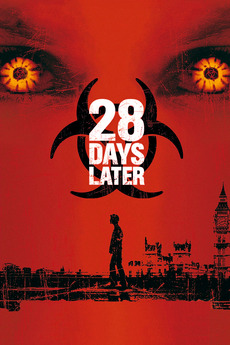
When 28 Days Later arrived in 2002, it didn’t just refresh horror, it rewired it. This is why 28 Days Later changed the zombie genre forever, transforming slow-moving undead into something faster, angrier, and terrifyingly realistic. With 28 Years Later approaching, its influence feels more relevant than ever.
From the Undead to the Infected
Before 28 Days Later, zombies followed familiar rules. They were slow, mindless, and usually supernatural. The horror came from inevitability not speed.
Director Danny Boyle and writer Alex Garland shattered that formula by introducing the Rage Virus. These creatures weren’t undead they were living humans infected by a man-made virus, turning violent within seconds.
This shift grounded zombie horror in science, fear, and realism. The apocalypse no longer felt mythical it felt possible.
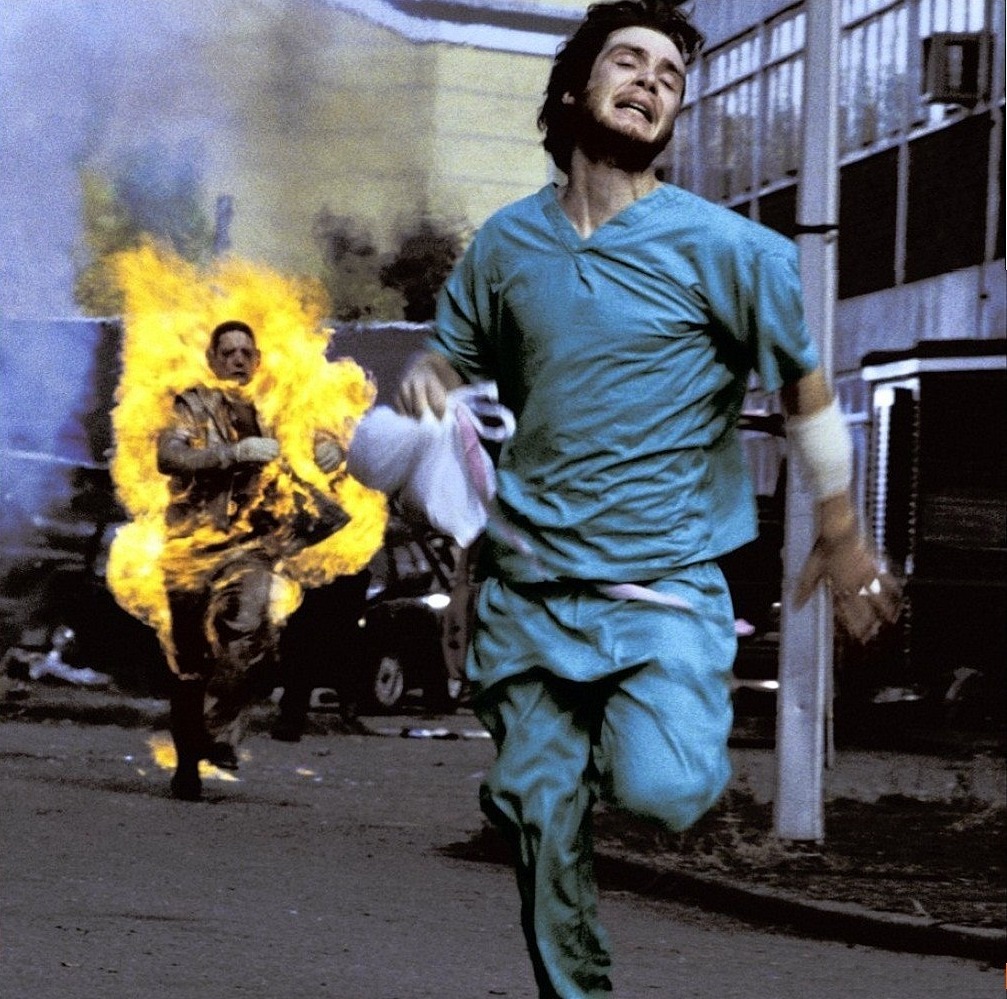
Speed Changed Everything
The infected in 28 Days Later didn’t shuffle.
They ran.
Speed transformed zombie horror from suspense into panic. Survival was no longer about planning or hiding. It was about constant movement and split-second decisions. One mistake meant death.
This single change influenced an entire generation of zombie media, redefining how danger, fear, and survival are portrayed.
Key Takeaway: 28 Days Later didn’t just make zombies faster, it made the apocalypse feel immediate and unavoidable.
A World Already Dead
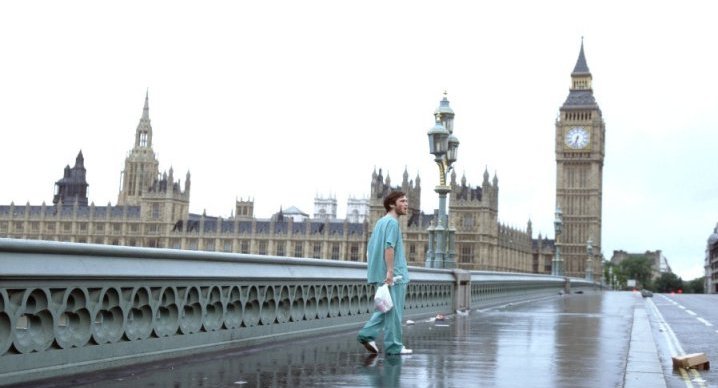
One of the film’s most haunting elements isn’t the infected. It’s the silence.
An empty London creates an atmosphere of isolation and loss. The horror comes from realizing that society collapsed before the monsters fully took over.
The horror of empty London
Abandoned streets, vacant buildings, and echoing silence remind us that the world ended quietly. This bleak realism reshaped how post-apocalyptic worlds are depicted in modern horror.
It Was Never Just About Zombies
At its core, 28 Days Later explores human nature under pressure.
The most disturbing moments don’t always involve the infected they come from survivors struggling with power, fear, and morality. The film suggests that the real danger isn’t the virus, but what people become when civilization disappears.
This theme has become a cornerstone of modern zombie storytelling.
The Legacy — And Why It Still Matters
More than twenty years later, 28 Days Later remains a defining moment in zombie cinema. Its influence can be seen across films, television, and games that favor fast infected, viral outbreaks, and grounded realism.
For more deep dives into zombie films, history, and horror culture, explore The Undead Journal
The Future: 28 years later
With 28 Years Later now officially arriving in theaters, the Rage Virus universe is no longer a question of if but what comes next. Nearly three decades after 28 Days Later first redefined the zombie genre, audiences are returning to a world shaped by infection, fear, and survival.
The release of 28 Years Later confirms just how lasting the impact of the original film has been. Its themes collapse, human cruelty, and the fragility of civilization remain disturbingly relevant, and the questions it raised still linger:
What survives after the end of the world?
And what part of us doesn’t?
In an upcoming post, The Zombie Emporium Undead Journal will take a closer look at 28 Years Later, how it expands the Rage Virus mythology, how it reflects the world we’re living in now, and whether it lives up to the legacy of the film that changed zombie horror forever.
With 28 Years Later now in theaters, critical coverage from The Guardian reflects how the Rage Virus story has re-entered the cultural conversation nearly three decades after 28 Days Later reshaped the zombie genre.
FAQ — 28 Days Later and the Zombie Genre
Is 28 Days Later a zombie movie or an infected movie?
Technically, the creatures are living humans infected by the Rage Virus rather than reanimated dead. However, the film’s influence on zombie storytelling is so profound that it’s widely considered a modern zombie classic.
Why were fast zombies such a big deal?
Speed removed any sense of safety. There was no distance to hide behind, no time to plan, only panic. This shift transformed zombie horror from slow dread into relentless survival.
Why does 28 Days Later still matter today?
Because it didn’t just scare audiences it redefined what zombie horror could be. Its themes of societal collapse, infection, and human cruelty continue to shape modern horror storytelling.
Final Thoughts from The Undead Journal
Some horror films scare you.
Some entertain you.
28 Days Later changed the rules.
By replacing the undead with infection, speed, and brutal realism, it reshaped the zombie genre and set the tone for decades of horror that followed. Its influence can still be felt today—not just in films, but in how we imagine the end of the world itself.
As The Undead Journal continues exploring zombie cinema, the story doesn’t end here. A deeper look at 28 Years Later and what it adds to the Rage Virus legacy will be coming next.